The Hidden Crisis: Why a Lifetime of Hard Work is Ending in Homelessness for WA’s Older Women
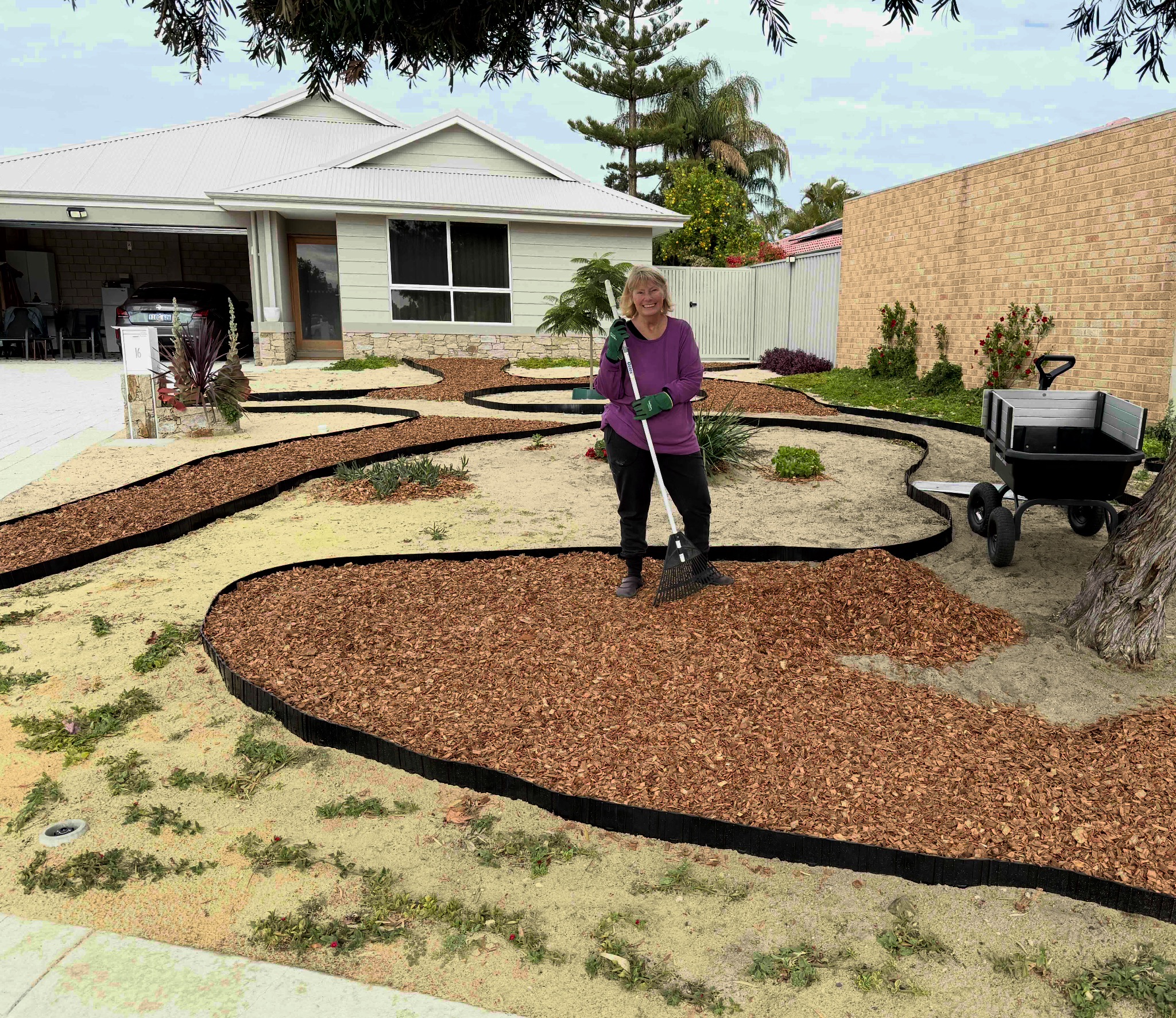
As 58-year-old Pamela Reynolds packed up all of her belongings in her sedan last winter, she became part of the fastest growing demographic of people who experience homelessness in Western Australia - women over the age of 55.
Driven by record levels of rental shortages; late-life relationship breakdowns; and structural economic inequalities, older women are rapidly slipping into housing insecurity.
According to data released by the Australian Bureau of Statistics (ABS) since 2019, the number of older people (aged 55+) who experienced homelessness in Western Australia has increased by 23.7%. More alarmingly, the rate of increase in the number of homeless older women has been significantly higher than that of homeless older men.
Pam describes that the crisis hit when her long-standing marriage suddenly collapsed. She had previously been running two fashion boutiques and lived in a nice home she shared with her husband and their five-year-old son. Their eldest child had recently moved interstate for work.
"I had lost everything in my life," Pam said. "My daughter had left home, my father died, ... my husband managed the finances. Sadly, the first I knew we were in finance trouble is when the accountant told us we had to file for bankruptcy. I was in shock."
Her father had left her his custom-built home as a final safety net, but bankruptcy laws forced its immediate sale to satisfy corporate creditors.
"When the marriage ended and the bankruptcy went through, I was completely wiped out. I had no support or family to fall back on and no money".
The hardest loss was saying goodbye to her son. He moved interstate with his father because his relatives had a house available for them to live in.
“I was devastated. I spent my entire adult life working, raising a family, and maintaining a lovely home," Pam said. "I never in a million years thought I would be here".
"Not knowing where to go, I spent 12-months sleeping in my car. My son came back into my care after his dad remarried but mainly because we missed each other terribly. But his first night back we slept in the vehicle".
After seeking support, Pam was able to get into a rental. She then started volunteering at a local family neighbourhood support centre and for 18-months helped support others' experiencing what she had been through.
Pam is not alone - many other older women who have lived conventional lives are similarly finding themselves without a financial safety net. Front line case managers report seeing an enormous rise in the number of older women seeking assistance In WA.
Agencies are being overwhelmed trying to meet the demand. Marie Buren-Wiegel, Housing Case Manager at Anglicare WA and Local Community Coordinator for the Mandurah and Rockingham Zero Projects stated that there is a constant flow of older women arriving to seek help.
Marie highlights that older women are highly susceptible to sudden displacement because it often takes only a single, unexpected life shock to completely destabilise their housing security - it affects them disproportionately.
“On the ground what we’ve seen most clearly is women affected by relationship breakdowns, illness or injury and domestic violence. They are also being pushed out of their homes because of rental and property price hikes,” Ms Buren-Wiegel said. “At present we’re seeing approximately 2 – 3 new older adults each week."
Ms Buren-Wiegel states that structurally, the reasons behind this crisis are based upon the lifetime wealth disparity that forms during retirement.
“The lack of family tax benefit once children leave home means less income for these women,” Ms Buren-Wiegel said. “Their superannuation is generally lower compared to men because throughout their careers they worked in low paid jobs or were unemployed while caring for children.”
Case advocates state that many older women are ‘invisible’, and therefore avoid areas known to be common for people to "sleep rough" due to both traumatic experiences and fear.
Approximately thirty percent of women are sleeping rough - living primarily in their car or tents,” Ms Buren-Wiegel said. “It is a frightening and intimidating situation. Many hide deep in rural areas and hope that nobody sees them or alternatively they park at well-lit petrol stations or public places to stay safe.”
Rentals in the property market in Western Australia remain at historical lows with vacancy rates remaining below 1% in mid 2026. As such, it becomes impossible for a single woman receiving a fixed age pension to compete with families earning double incomes for rentals which cost approximately $650 per week.
More importantly, case worker warnings suggest that current social safety nets are punitive towards those women with limited amounts of modest savings left from an asset split.
“They have some savings or a little bit of superannuation and that stops them getting into social housing,” Ms Buren-Wiegel said. “But then the private housing is way beyond what they can afford. They're completely stuck.”
Anglicare WA together with various other sectors are currently lobbying for structural reform and include developing alternative property design concepts such as 'tiny home' communities specifically designed to support older single women living together. However, immediate governmental intervention is still required.
“We need governments to create more social housing for people over 55,” Ms Buren-Wiegel said. “Before too long an older person sleeping in a car can end up so sick they need hospitalisation. We need investment in this space urgently.”
For anyone feeling as though they may lose control of their private tenancy, front-line services encourage seeking professional assistance as soon as possible prior to reaching a crisis point.
“If you feel you may begin to struggle to pay your rent, reach out to Entrypoint - they offer excellent guidance and direction toward the appropriate service to assist you before losing your home,” Ms Buren-Wiegel advised".
Entrypoint can be contacted by calling 1800 124 684 or (08) 6496 0001.
.
0 Comments Add a Comment?